Turkmenistan
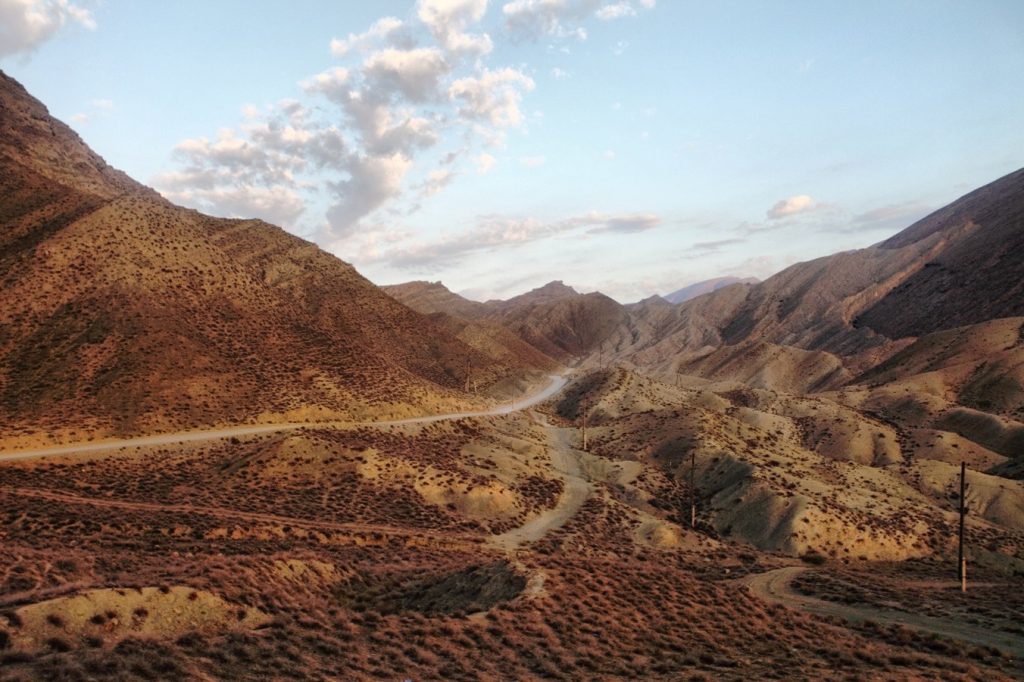
Turkmenistan is a land of quiet wonder, where golden deserts meet ancient history and warm traditions. It is home to the remains of great civilizations — places like Merv and Nisa, once thriving cities along the Silk Road.
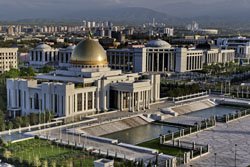
In the capital, Ashgabat, elegant white marble buildings and broad boulevards stand in striking contrast to the stillness of the surrounding Karakum Desert.
Life here follows a gentle rhythm.
Guests are welcomed with respect and generosity, and every stop reveals a story from a rich and often hidden past. Turkmenistan is not just a destination — it’s an experience of timeless landscapes, deep hospitality, and peaceful discovery…it’s also home to Hell’s Gate.
Mary
Mary is a quiet city with a deep connection to the past. Just outside its borders lie the ancient ruins of Merv — once a major Silk Road hub and one of the oldest cities in the world. Today, Mary offers wide, calm streets, friendly locals, and a sense of peace. The Soltan Sanjar Mausoleum, local museums, and nearby pilgrimage sites reflect the region’s rich history and spiritual roots. It’s a place to slow down, explore, and feel the presence of centuries gone by.
Gyz Gala and Oglan Gala
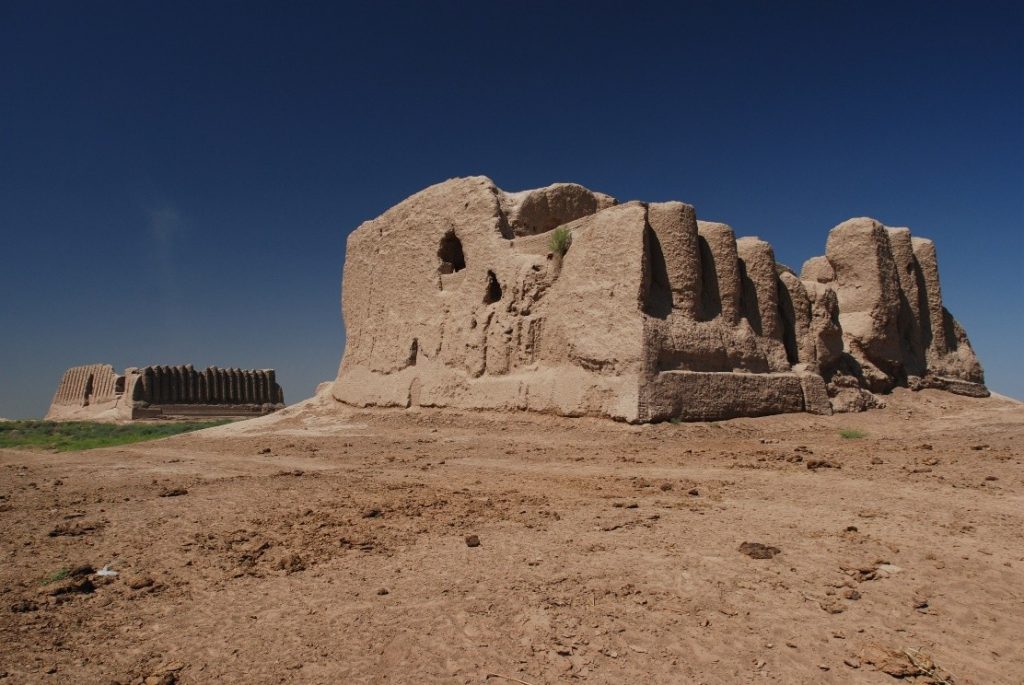
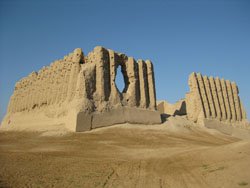
Gyz Gala and Oglan Gala are ancient desert fortresses standing quietly near Mary. Built centuries ago, their names — meaning “Girl’s Fortress” and “Boy’s Fortress” — hint at old legends and forgotten tales. Their thick mudbrick walls, weathered by time and wind, once protected travelers and settlers along the Silk Road. Today, they rise from the sands like silent guardians of history. Surrounded by open steppe and endless sky, these ruins invite visitors to imagine life in a distant, powerful past — simple, raw, and deeply human.
Complex of Askhabs
The Complex of Askhabs is a peaceful and revered site nestled near the ruins of ancient Merv. It honors the early companions of the Prophet Muhammad who are believed to have traveled and settled in this region. Modest and spiritual, the site includes simple mausoleums and places for quiet prayer. Surrounded by open desert, it offers a sense of calm and devotion that touches even those unfamiliar with its history. Visiting the complex feels like stepping into a sacred corner of time, where faith and memory are gently preserved.
Gyaur Gala
Gyaur Gala is one of the oldest and most impressive ruins within the ancient city of Merv. Its name, meaning “Fortress of the Infidels,” reflects the layers of history it carries — from Zoroastrian times to Islamic conquests. Once a thriving center of culture and power, its massive walls still stand, weathered but proud. Walking among the remnants, visitors can feel the weight of centuries and the stories hidden in every stone. Surrounded by desert silence, Gyaur Gala offers a powerful glimpse into a world long gone, yet never forgotten.
Erk Gala
Erk Gala is the heart of ancient Merv — its oldest citadel and the cradle of the city’s long history. Dating back to the Achaemenid period, it once housed rulers and their courts behind thick defensive walls. Though much of it lies in ruins, the outlines of towers and walls still whisper of power, strategy, and survival. Set against the quiet backdrop of the desert, Erk Gala invites reflection on the rise and fall of civilizations. It’s a humble yet moving place, where the past lingers in the sunbaked earth and silent wind.
Soltan Gala
Soltan Gala stands as a testament to the medieval glory of Merv. Built during the Seljuk period, it once served as a royal citadel — a place of grandeur, strategy, and ceremony. Its walls, though now crumbling, still trace the shape of a mighty fortress that protected one of the greatest cities of the Islamic world. Walking through its remains, one can sense the scale and ambition of the empire that built it. Surrounded by desert stillness, Soltan Gala offers a powerful reminder of Merv’s golden age and the empires that once shaped Central Asia.
Shrine and Pilgrimage Complex of Yusup Hemadani
The Shrine and Pilgrimage Complex of Yusup Hemadani is a serene spiritual site nestled near ancient Merv. It honors the revered Sufi scholar and mystic who played a key role in spreading Islamic thought across Central Asia. The complex, with its quiet courtyards and simple architecture, attracts pilgrims seeking peace, blessing, and connection to a deeper faith. Surrounded by open sky and desert calm, the shrine offers a moment of reflection and stillness. Whether visiting as a pilgrim or a curious traveler, one feels the presence of devotion and the enduring legacy of a wise teacher.
Soltan Sanjar Mausoleum
The Soltan Sanjar Mausoleum rises with quiet majesty in the ancient ruins of Merv. Built in the 12th century, it honors the last great ruler of the Seljuk Empire — a sultan known for wisdom and strength. Its massive brick dome, once turquoise, still towers over the desert, a symbol of power, faith, and architectural brilliance. Inside, the space feels cool and solemn, echoing with the silence of centuries. Surrounded by open plains and soft winds, the mausoleum stands not only as a tomb, but as a reminder of a time when Merv was the heart of a great empire.
Ibn Zeid Mausoleum
The Ibn Zeid Mausoleum is a quiet, sacred spot near the ruins of Merv, dedicated to a respected Islamic scholar and spiritual figure. Modest in size but rich in meaning, the mausoleum reflects the deep religious heritage of the region. Its simple brickwork and peaceful setting invite visitors to pause, reflect, and connect with centuries of faith and learning. Surrounded by desert stillness and history, the site holds a sense of reverence that goes beyond architecture — a place where memory and devotion gently endure.
Local United Museum of History, Ethnography, Flora and Fauna of Mary
The Local United Museum of History, Ethnography, Flora and Fauna of Mary offers a rich and gentle look into the region’s past and culture. Inside, visitors find ancient artifacts, traditional costumes, jewelry, and a full-sized Turkmen yurt, alongside exhibits on local wildlife and nature. Quiet and well-organized, the museum is a peaceful place to explore Mary’s deep history and natural beauty at an easy, comfortable pace.
Orthodox Church (built by Russians, late 19th century)
The Orthodox Church in Mary, built by Russian settlers in the late 19th century, stands as a quiet symbol of the city’s multicultural past. With its simple brick walls and traditional domes, it reflects the architecture of the Russian Empire era. Tucked away in a peaceful corner of the city, the church still serves as a place of worship and memory. Visiting it offers a gentle moment of reflection and a glimpse into the diverse histories that once met along the Silk Road.
Regional Mosque of Mary Province
The Regional Mosque of Mary Province is a graceful modern landmark, built in white marble with a golden dome and tall minarets. Opened in 2009, it offers a peaceful space for worship and reflection. Surrounded by gardens and fountains, the mosque blends beauty and calm — a quiet symbol of faith in the heart of Mary.
Central Theater of Mary
The Central Theater of Mary is a lively cultural spot where local plays, music, and folk stories come to life. It offers a warm, relaxed atmosphere and a chance to enjoy Turkmen traditions on stage — a pleasant stop for those who appreciate the arts.
Convention and Conference Center “Ruhiyet Koshgi”
The “Ruhiyet Koshgi” Convention and Conference Center is a modern landmark in Mary, used for official events, concerts, and cultural gatherings. Its elegant white façade and spacious halls reflect the city’s growing modern side. Surrounded by quiet streets and greenery, it adds a touch of formality and pride to Mary’s calm atmosphere.
Central Park and Monument of Mollanepes
Central Park in Mary offers a calm, shady place for rest and quiet walks. At its center stands the Monument of Mollanepes, honoring a cherished Turkmen poet of the 19th century. The statue and peaceful surroundings reflect the city’s deep respect for its cultural roots. It’s a gentle and pleasant stop for visitors.
Memorial Complex (Victims of WWII, 19th c. Patriotic Wars, 1948 Earthquake)
The Memorial Complex “People’s Memory” in Mary (though most commonly associated with Ashgabat) honors three pivotal events: World War II, the 19th-century patriotic wars, and the tragic 1948 earthquake. Its serene setting includes statues—like a mighty bull symbolizing the quake—and an eternal flame surrounded by red marble columns. A museum on site offers moving exhibits, including photos and artifacts from the earthquake and wartime eras. This quiet and respectful site invites thoughtful reflection and remembrance of resilience across generations.
Ashgabat
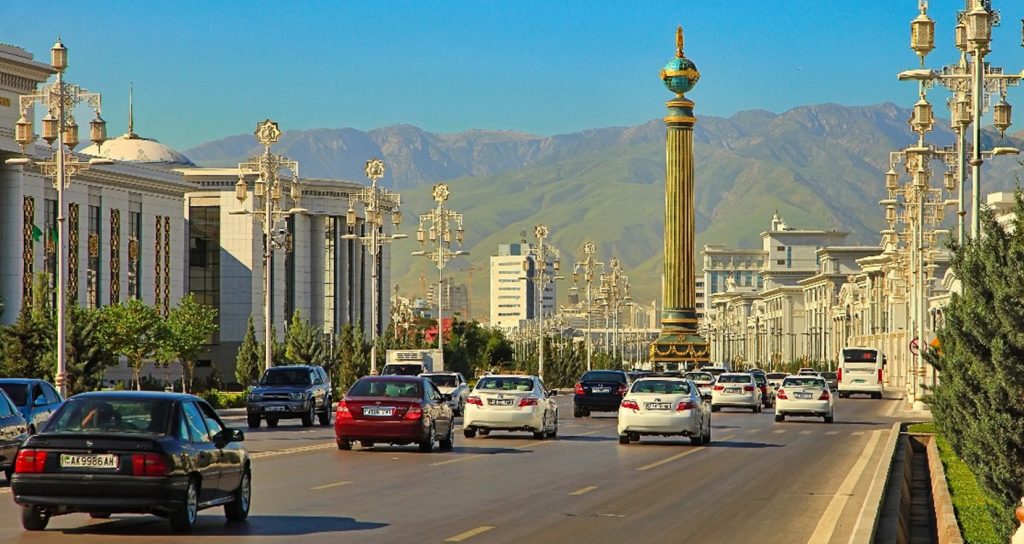
Ashgabat is a city of contrasts — modern, elegant, and full of surprises. With its white marble buildings, grand fountains, and clean boulevards, it feels unlike anywhere else in Central Asia. Yet beneath its polished surface lies deep tradition. Nearby, ancient Nisa tells stories of Parthian kings, while local bazaars, mosques, and quiet parks reveal everyday life. Ashgabat is both a symbol of new Turkmenistan and a gateway to its rich, layered past — a city to explore at a gentle pace, where every detail reflects pride and care.
Museum of Turkmen Carpets
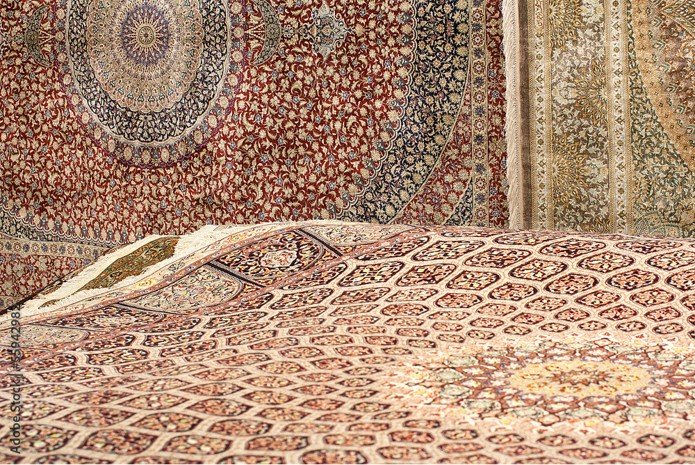
The Museum of Turkmen Carpets in Ashgabat showcases the country’s rich weaving heritage, with centuries-old rugs and record-breaking masterpieces. Visitors can admire traditional patterns, learn about tribal styles, and even watch live weaving. It’s a quiet, beautiful space that celebrates one of Turkmenistan’s proudest traditions.
Park dedicated to Turkmen horses
The park dedicated to Turkmen horses in Ashgabat honors the graceful Akhal-Teke breed, a national symbol of pride. Elegant statues and calm pathways celebrate their beauty and importance in Turkmen culture. It’s a peaceful place to walk, reflect, and admire the spirit of these legendary horses.
Gulistan Bazar (“Russian Bazaar”)
The Gulistan Bazaar—commonly known as the Russian Bazaar—is one of Ashgabat’s oldest and largest covered markets, built in the 1970s and later faced in white marble. Inside, you’ll find a vast array of goods—from fresh produce and spices to handmade souvenirs and even local food stalls offering treats like manty and beluga caviar. The market’s layout is clean, organized, and easy to navigate, making it a pleasant spot for a leisurely browse. It offers an authentic taste of daily life in Turkmenistan and is beloved by both locals and visitors alike.
Monument of Lenin (1927)
The Monument of Lenin in Ashgabat stands as a rare Soviet-era landmark, unveiled on November 7, 1927, to mark the 10th anniversary of the October Revolution. Its bronze statue rises atop a striking majolica-tiled pedestal, featuring patterns inspired by traditional Turkmen carpets. Nestled in a small, fountain-dotted park, it’s one of the few remaining Lenin monuments in a Central Asian capital, blending historical significance with local artistry. A peaceful and reflective stop that connects visitors to both Soviet heritage and Turkmen cultural identity.
Ertogrul Gazy Mosque
The Ertogrul Gazy Mosque in Ashgabat is an impressive Islamic landmark, built in 1998 in the elegant Turkish‑Ottoman style, and often referred to as the “Azadi Mosque.” With its four towering minarets and a central dome, it can accommodate up to 5,000 worshippers. The white marble exterior resembles Istanbul’s famous Blue Mosque, while inside you’ll find a peaceful courtyard, ornate decorations, gilded calligraphy, and stained‑glass windows. It is a serene and inspiring space—well suited for quiet reflection and wonder.
Complex of Monuments of Oguz Han and Sons
The Complex of Monuments of Oguz Han and his Sons is a grand symbol of Turkmen heritage, located near Ashgabat. A towering statue of Oguz Han on horseback is surrounded by figures of his six sons and a series of elegant fountains. The site blends ancient legend with modern design, offering a peaceful and impressive place for reflection.
“Altyn Asyr” Oriental Bazaar – Jygyldyk
Altyn Asyr Oriental Bazaar—locally known as “Täze Jygyldyk”—is the largest market in Turkmenistan and the fifth-largest in Central Asia, with over 2,155 shops spread across 154 ha. Designed to resemble a Turkmen carpet pattern, it features a striking clock tower and a clean, organized layout. Inside, visitors find everything from handwoven carpets, traditional textiles, and jewelry to fresh produce and spices—a true reflection of local culture . It’s a lively yet welcoming place where travelers can stroll, chat with vendors, and soak up the colorful atmosphere at a gentle pace.
National Museum of History
The National Museum of History in Ashgabat offers a rich journey through Turkmenistan’s past, from ancient artifacts to modern exhibits. Highlights include treasures from Nisa and Merv, traditional crafts, and natural history displays. Spacious and beautifully designed, it’s a calm and informative stop for curious travelers.
Monuments of Archabil Shayoly (Berzengi)
The Monuments along Archabil Shayoly (also known as Berzengi Avenue) are striking symbols of modern Turkmenistan in Ashgabat. These include towering structures like the Neutrality Monument (a tripod-shaped arch), the soaring Constitution Monument, and elegant sculptures that line the wide, marble-lined boulevard. Designed to inspire pride and reflection, these sites blend symbolism—like national unity and independence—with peaceful public spaces. A leisurely walk down this grand avenue offers a calm, yet impressive glimpse into the heart of the nation’s identity.
Monument of Constitution
The Monument of Constitution in Ashgabat is a towering white-marble structure built to honor Turkmenistan’s constitution. Decorated with national symbols and surrounded by fountains, it’s both grand and peaceful. A small museum inside adds context to this proud landmark.
“Alem” Culture and Recreation Center
The “Alem” Culture and Recreation Center in Ashgabat is a striking six‑storey building topped with a 57 m indoor Ferris wheel, once the tallest enclosed wheel in the world. Inside, you’ll find a pleasant mix of family entertainment—bowling alleys, a cinema, cafés—and even a space museum on the lower floors. Its design reflects national symbols, with glass-and-steel features shaped like the star of Oguz Han, and fountains in the surrounding plaza. It offers both gentle fun and panoramic views, making it a memorable stop for travelers of all ages.
Arch of Neutrality
The Arch of Neutrality in Ashgabat is a distinctive tripod-shaped monument, built in 1998 to honor Turkmenistan’s status as a permanently neutral nation. Standing 95 m tall and topped with a now-stationary 12 m gold statue of President Niyazov, it originally rotated to follow the sun. Inside, a museum and observation decks offer calm panoramic views, while its marble base is adorned with fountains and landscaped gardens. Relocated to the city’s outskirts in 2010–11, it remains a peaceful symbol of Turkmenistan’s identity and vision.
“Turkmenbashynyn Ruhy Metjidi” – the largest mosque in Central Asia
The Turkmenbashynyn Ruhy Metjidi, also known as the Gypjak Mosque, is the largest mosque in Central Asia. Its gleaming white marble and golden dome rise beside four soaring 91 m minarets, symbolizing the year of Turkmenistan’s independence. Completed in 2004 by the French firm Bouygues at a cost of about $100 million, the mosque welcomes up to 10,000 worshippers in its vast prayer hall beneath a 55 m dome. Surrounding fountains create a serene, floating effect, while inside a grand Turkmen carpet lies beneath a lofty, celestial-blue dome. Adjacent is the mausoleum of President Niyazov and his family, making the site both a place of worship and national homage.
Mausoleum Complex of Turkmenbashy and his family
The Mausoleum Complex of Turkmenbashy and his Family stands beside the grand Ruhy Mosque in Gypjak, near Ashgabat. Built before Saparmurat Niyazov’s death in 2006, it houses his tomb alongside those of his mother and two brothers who perished in the 1948 earthquake. The structure, modest compared to the mosque, features white marble and guards at the entrance, offering a solemn, reflective space. Surrounded by a memorial to the earthquake, it invites a quiet moment to remember both personal legacy and national tragedy.
Nissa
Nissa is a place where history speaks in silence. Once the royal capital of the Parthian Empire, its ancient walls and foundations still stand under the open sky, just outside Ashgabat. Walking through the ruins, it’s easy to imagine the grandeur that once was — palaces, temples, and treasures now lost to time. Unlike crowded tourist sites, Nissa offers space, stillness, and a sense of timelessness. For those who appreciate quiet beauty and ancient stories, it is a powerful and moving stop on the journey through Turkmenistan.
Old Nissa – The Sanctuary of Parthian Kings
Old Nissa is the ancient royal fortress founded in the 3rd century BC as the seat of the Parthian Empire, perched on a hill just west of Ashgabat. Within its pentagonal ramparts and 43 towers lie the remains of palaces, temples, and even a circular ceremonial hall — echoes of a powerful civilization that rivaled Rome. Quiet, spacious, and windswept, the site feels like stepping into history under the open sky. As a UNESCO World Heritage Site, Old Nissa offers older travelers a calm, dignified journey into Central Asia’s ancient past.
Koneurgench
Koneurgench is a sacred and storied place in Turkmenistan’s north. Once a flourishing capital of the Khorezm Empire, it now holds some of the country’s most remarkable monuments — slender minarets, elegant mausoleums, and centuries-old tombs rising from the desert. The Kutlug Timur Minaret, one of the tallest in Central Asia, still watches over the land. Unlike modern cities, Koneurgench feels untouched by time, with a quiet, spiritual atmosphere. For thoughtful travelers, it offers a glimpse into a proud past and a peaceful space for reflection.
Turabek Hanum Mausoleum
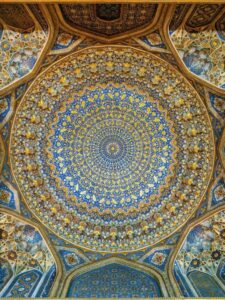
The Turabek Khanum Mausoleum in Koneurgench (Konye-Urgench) is considered one of Central Asia’s architectural masterpieces. Built in the 14th century as a shrine to a revered princess of the Golden Horde, its graceful hexagonal hall is covered with stunning mosaic panels—ornaments of stars and flowers that seem to float beneath a soaring dome. Despite some damage to the blue-glazed exterior, the interior retains its quiet beauty and spiritual grace. Set among ancient ruins, this mausoleum invites visitors into a serene space of history, artistry, and legend.
Kutlug Timur Minaret
The Kutlug Timur Minaret in Koneurgench is a remarkable medieval tower standing about 60 m tall — the tallest minaret in Central Asia. Built originally in the 11th century and restored in the early 1300s under Kutlug Timur, its elegant brick tapering features decorative bands and Kufic inscriptions. Once attached to a Friday mosque and accessed by a 145-step spiral staircase, the mosque has long disappeared, leaving the minaret to stand alone, leaning slightly in the desert wind. A UNESCO‑listed jewel, this graceful tower offers older visitors a striking yet tranquil link to centuries of Khwarazmian history.
Sultan Tekesh Mausoleum
The Sultan Tekesh Mausoleum in Koneurgench is a striking 12th–13th century monument built for the Khwarezmshah Tekesh, known for its tall, square brick hall topped by a blue-tiled conical dome. Standing about 30 m high, it was once part of a larger complex including a madrasa and library, serving as a beacon for weary Silk Road travelers. Ornate Kufic inscriptions and delicate muqarnas that frame the entrance add to its calm yet majestic beauty. For older visitors, it’s a graceful blend of spiritual history and architectural elegance—an unforgettable stop in a quiet archaeological setting.
Academy of Horezm
The Academy of Khorezm, founded in medieval Koneurgench, was a renowned centre of learning in the 11th–12th centuries. Scholars here studied astronomy, mathematics, medicine, and philosophy alongside great thinkers like al-Khwarizmi and al-Biruni. The remains of the academy—mausoleums, fortresses, and a fortress-hill thought to house its library—stand quietly among the ruins today. It offers older visitors a gentle glimpse into a golden age of knowledge in Central Asia, where curiosity flourished under open skies.
Il Arslan Mausoleum
The Il Arslan Mausoleum in Koneurgench is a rare and beautifully preserved 12th-century tomb of Khorezmshah Il Arslan. Its distinctive design features a cube topped by a twelve‑sided drum and a conical tent-like dome, creating a striking obelisk silhouette. The façade is richly decorated with hand-carved terracotta reliefs showcasing floral and geometric patterns—a medieval marvel that later influenced Timurid architecture. Set among silent ruins, it’s a peaceful and elegant testament to Central Asia’s golden age of art and scholarship.
Mausoleums of Najm Ed Din and Soltan Ali (near Dash Metjit/Medrese)
The Mausoleums of Najm Ed Din and Soltan Ali, near the Dash Metjit in Koneurgench, form a quiet sacred complex from the 14th–15th centuries. Najm Ed Din was a respected Sufi figure, and his tomb remains a place of pilgrimage. Facing it, the mausoleum of Soltan Ali stands tall but unfinished, adding a touch of mystery. Together, they reflect the spiritual legacy of the region in a peaceful, contemplative setting.
Five Stans Travel for History Lovers: From Ancient Empires to the Soviet Era
Most destinations give you one story. Five Stans travel gives you several, stacked on top of each other like sediment. Walk through the right city here,
What Makes Central Asia Such a Compelling Off-the-Beaten-Path Luxury Destination?
Somewhere between the Mediterranean’s crowded coastlines and Southeast Asia’s packed temples, a quieter kind of luxury still exists. You just have to know where to